
Casino de la Vallée (Saint-Vincent, Italy): an Alpine casino overview for 2026

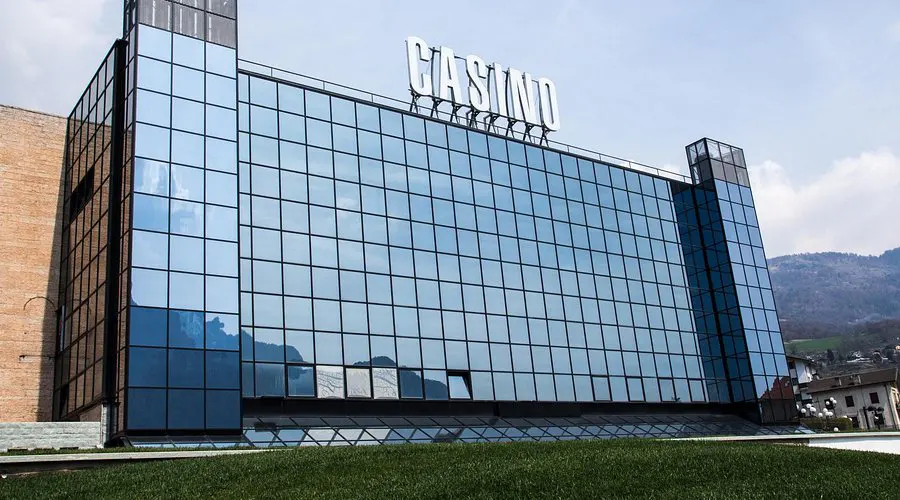
Casino de la Vallée in Saint-Vincent, in Italy’s Aosta Valley, is a rare mix of classic casino tradition and modern resort logistics. It has been operating since 29 April 1947 and today forms part of the Saint-Vincent Resort & Casino complex, with the gaming rooms spread across two floors and roughly 3,500 square metres. The setting matters here: you are in an Alpine town that people often pass through on the way between Italy, France, and Switzerland, so the casino tends to serve both weekend visitors and travellers who plan a short stop.
What the venue is and how it is run in 2026
Casino de la Vallée is a land-based Italian casino with the usual public-entry rules you would expect in Italy: entry is limited to adults, and you are asked to present a valid identity document when your ticket is issued. In practice, this means your first visit takes a few extra minutes at the desk, and spontaneous visits work best if you have ID ready and avoid arriving in a rush. The house rules and player-facing information are published by the casino itself, which is useful when you want to verify access requirements before travelling.
The operator is Casino de la Vallée S.p.A., headquartered in Saint-Vincent. The company is linked to the Autonomous Region of Aosta Valley through the region’s “enti controllati” (controlled entities) transparency records, which is why you will sometimes see the casino discussed in local political and economic context, not only as entertainment. News coverage in 2025 also pointed to ongoing planning around governance and management options tied to the 2026 financial exercise, so it is sensible to double-check any operational announcements close to your travel dates rather than relying on old forum posts.
Opening hours are presented as a straightforward “open from 10 a.m., seven days a week” statement in the resort information pages. That is the practical baseline for planning. Some activities inside a casino—especially poker rooms, tournament schedules, or specific table allocations—can follow their own timetables, so the best approach is to treat 10 a.m. as the earliest general access time and then verify the particular game or event you care about.
Where it is in Saint-Vincent and the simplest ways to get there
The address is on Via Italo Mus in Saint-Vincent (Aosta Valley), and the casino publishes GPS coordinates for both the hotel area and the casino entrance. If you are driving, the resort directions commonly reference the A5 motorway and the Châtillon–Saint-Vincent exit, with a short connection via SS26 towards Saint-Vincent Centre. These details are especially relevant in winter, when Alpine roads can change from clear to slow within a few hours.
If you are flying in, the resort guidance lists Turin Caselle as the closest major airport, followed by Milan Malpensa and Milan Linate, and also includes Geneva for travellers approaching from the north-west. The stated kilometre distances are helpful for rough planning, but transfer times still depend on the season, traffic, and whether you arrive on a weekend. For a shorter trip, many visitors treat Saint-Vincent as a base and then add day trips into the valley rather than moving hotels every night.
Saint-Vincent is also practical for mixed itineraries: a casino evening paired with spa time, mountain walks, or a meal in town. That flexibility is arguably the casino’s biggest advantage over city venues—your schedule can remain varied, and you are not locked into a single “night out” pattern.
Gaming floors: what you can typically play and how the experience feels
The casino presents itself as a large Italian venue, and third-party guides consistently describe a split between traditional table games and a sizeable electronic gaming area. You should expect the classics—roulette and blackjack in multiple variants—along with poker and other table options that are more common in continental Europe. The overall feel is closer to a “full casino house” than a boutique room with only a few tables.
On busy weekends and during resort events, the practical player experience tends to revolve around three factors: table availability, minimum stakes, and pace. Italian regulation and house policy can influence betting limits on certain games, so it is worth walking the floor once before you commit funds to a session. If you prefer quieter play, arriving earlier in the day can reduce queues and make it easier to find a table that suits your preferred stakes.
Electronic games are the other pillar of the venue. Even if you mainly play table games, the electronic area often becomes a fallback when tables are full. The key is to treat the electronic floor as a different rhythm: shorter sessions, more movement, and less social interaction. For some visitors that is a benefit, for others it can feel less “casino-like”, so expectations matter.
Poker in Saint-Vincent: tournaments, room dynamics, and what to check
Poker is one of the casino’s better-known draws, and the venue’s own communications frequently highlight poker tournaments. From a planning point of view, the important detail is that tournament schedules can be seasonal: winter weekends can look very different from mid-week dates outside peak travel periods. If poker is the main reason for your trip, confirm dates, registration rules, and late entry policies shortly before you arrive.
The second practical point is bankroll planning. Tournament buy-ins, re-entry rules, and cash-game availability can vary, and Alpine resort weekends sometimes attract mixed crowds—tourists trying poker for the first time alongside regulars who travel specifically for events. A sensible approach is to set a session budget for poker separately from table games, because the emotional and time commitments are different.
Finally, remember that poker is the most “time elastic” activity in any casino: one session can easily run longer than expected. If you are also booking spa slots, restaurant reservations, or excursions, leave generous buffers rather than stacking commitments tightly. That small change keeps the trip enjoyable even if the poker room is running late.
Practical details: entry rules, resort services, and responsible play
The entry rule is simple but strict: adults only, and a valid identity document is required for entry procedures. This is not an optional formality. If you are travelling with a group, it is wise to confirm everyone has acceptable ID, especially if someone normally relies on a driving licence that may not be accepted in every context. The casino also provides customer-care contacts for questions, which helps if you have edge cases such as document renewals or name mismatches.
Because the casino is directly connected to the wider resort complex, many visitors treat it as one component of a broader stay. That can reduce pressure to “make the casino the whole evening”, which is healthier for budgeting and decision-making. It is also useful for mixed groups where not everyone wants to gamble—people can split time between the gaming rooms, hotel amenities, and the town itself.
Responsible play is easiest when you decide your limits before you enter the gaming areas. Set a cash limit, set a time limit, and keep them separate: time tends to disappear faster in a casino than in almost any other leisure setting. If you are using the casino as an evening activity after skiing or hiking, remember that fatigue can make decision-making worse, so shorter sessions often lead to better outcomes and fewer regrets.
Staying nearby: hotel links, dining breaks, and building a balanced itinerary
Grand Hotel Billia is the best-known accommodation tied to the complex, with the hotel presenting its history as far back as 1908. The practical value of staying on-site (or very close) is convenience: you can return to your room without transport planning, and you can treat gambling as a scheduled activity rather than the default way to fill every spare hour. That structure matters, especially for longer weekend trips.
For dining, the simplest strategy is to plan at least one meal outside the casino setting. Casino dining can be convenient, but an Alpine town offers a different atmosphere and often better pacing—longer dinners, quieter conversations, and a clearer break from the gaming environment. Even if you stay within the resort, take deliberate pauses: coffee away from the tables, a short walk, or a spa booking can reset your focus.
As an Alpine destination, Saint-Vincent rewards travellers who treat the casino as a feature, not a mission. Build your itinerary around the valley—scenery, local food, and nearby excursions—and then decide where a casino session genuinely fits. That approach keeps the trip realistic, reduces overspending, and usually makes the casino night more enjoyable when you do choose to play.