
Harrah’s Cherokee Casino Resort: How One of the Most Popular Land-Based Casino Resorts in the USA Operates
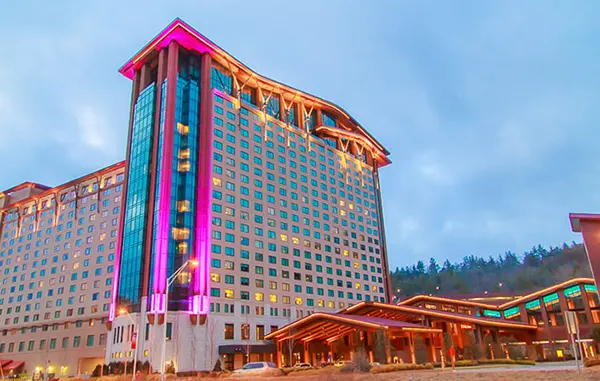
Harrah’s Cherokee Casino Resort, located in North Carolina, is often cited as one of the most visited land-based casino destinations in the United States. Its success is not accidental: the resort combines large-scale gaming infrastructure, hospitality services, and a carefully regulated operational model. Understanding how this venue works offers insight into the broader mechanics of offline casino resorts in 2026, including regulation, player experience, and revenue structure.
Location, Ownership and Legal Framework
Harrah’s Cherokee operates on tribal land and is owned by the Eastern Band of Cherokee Indians. This is a crucial detail, as it defines the legal structure of the casino. Unlike commercial casinos in Las Vegas or Atlantic City, tribal casinos in the United States function under the Indian Gaming Regulatory Act (IGRA), which allows federally recognised tribes to operate gaming establishments under specific agreements with state authorities.
The resort is managed in partnership with Caesars Entertainment, one of the largest gaming operators globally. This partnership allows the property to maintain high operational standards, including security protocols, gaming technology, and customer service systems. At the same time, revenue generated supports tribal economic development, including infrastructure, healthcare, and education initiatives.
From a regulatory standpoint, the casino adheres to both federal oversight and tribal gaming commissions. This dual layer of control ensures compliance with strict auditing procedures, anti-money laundering policies, and fairness in gaming outcomes. As of 2026, such regulatory frameworks remain essential for maintaining trust and long-term sustainability in the land-based casino sector.
Why Tribal Casinos Operate Differently
Tribal casinos like Harrah’s Cherokee differ from commercial venues in several operational aspects. One of the main differences lies in taxation. Instead of paying traditional state casino taxes, these establishments negotiate revenue-sharing agreements with the state, which can vary significantly depending on jurisdiction.
Another important factor is exclusivity. In many regions, tribal agreements grant limited or exclusive rights to operate certain types of gaming. This reduces competition and allows properties like Harrah’s Cherokee to attract a consistent flow of visitors from surrounding states.
Finally, governance plays a central role. Decisions regarding expansion, investment, and strategic direction are influenced by tribal leadership. This often results in a long-term approach focused on stability rather than short-term profit maximisation.
Gaming Floor Structure and Player Experience
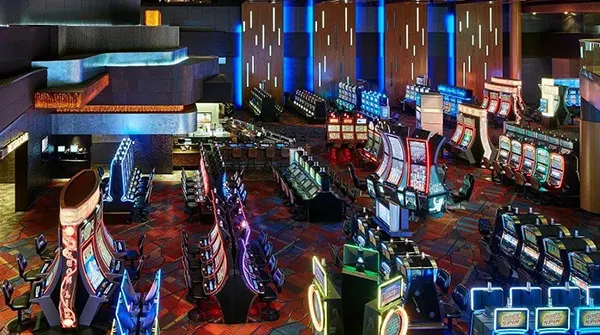
The gaming floor at Harrah’s Cherokee is designed to accommodate a wide range of player preferences. It includes thousands of slot machines, table games such as blackjack and roulette, and dedicated poker areas. The layout is intentionally structured to balance accessibility with engagement, guiding players through different zones without creating overcrowding.
Modernisation has significantly shaped the gaming experience. By 2026, many machines incorporate cashless systems, allowing players to use digital wallets instead of physical chips or tickets. This reduces transaction friction and aligns with broader trends in payment technology across the gaming industry.
Player tracking systems are another key component. Through loyalty programmes, visitors accumulate points based on activity, which can be redeemed for accommodation, dining, or entertainment. These systems also allow the casino to personalise offers and optimise retention strategies.
How Casinos Influence Player Behaviour
The design of the gaming environment is not случайним. Lighting, sound, and spatial arrangement are carefully calibrated to encourage longer sessions. For example, the absence of clocks and natural light helps reduce awareness of time, a common practice across major casino resorts.
Game placement also matters. High-traffic areas often feature machines with lower volatility, creating frequent small wins that maintain engagement. Meanwhile, higher-risk games are positioned strategically to attract experienced players seeking larger payouts.
Responsible gambling measures have become more visible in recent years. Harrah’s Cherokee integrates self-exclusion programmes, spending limits, and informational resources directly into the gaming environment. This reflects industry-wide pressure to balance profitability with player protection.
Resort Infrastructure and Revenue Streams
Harrah’s Cherokee is not solely a casino; it is a full-scale resort. The property includes hotels, restaurants, entertainment venues, and conference facilities. This diversification plays a critical role in stabilising revenue, especially during periods when gaming activity fluctuates.
Accommodation is a major contributor. The resort offers thousands of rooms, ranging from standard options to premium suites. Pricing strategies are dynamic, often influenced by demand, events, and player status within the loyalty programme.
Non-gaming revenue has grown steadily. Dining, live shows, and retail experiences now represent a significant portion of total income. This shift reflects a broader trend in the casino industry, where resorts aim to attract a wider audience beyond traditional gambling customers.
The Economic Impact of Casino Resorts
The influence of Harrah’s Cherokee extends beyond its premises. The resort is a major employer in the region, providing jobs across hospitality, security, and technical operations. This has a measurable impact on local economic development.
Tourism is another key factor. Visitors travel from neighbouring states, contributing to surrounding businesses such as hotels, restaurants, and transport services. The casino effectively acts as a regional economic hub.
Finally, reinvestment into tribal infrastructure distinguishes this model from commercial operators. Revenue supports community programmes, which in turn strengthens the long-term viability of the resort. This interconnected system explains why such properties remain competitive even as the global gaming landscape evolves.