
City of Dreams Sri Lanka: How South Asia’s First Integrated Casino Resort Is Changing Colombo
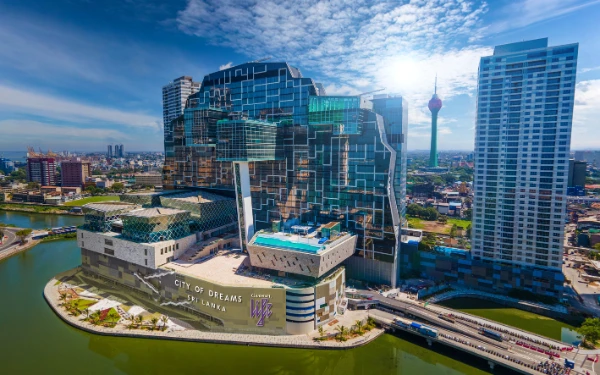
Colombo has gained a major new attraction with the opening of City of Dreams Sri Lanka, South Asia’s first fully integrated casino resort. Developed through a partnership between John Keells Holdings and Melco Resorts & Entertainment, the US$1.2 billion complex combines luxury accommodation, casino gaming, restaurants, shopping and international event facilities. Its casino began operations on 1 August 2025, followed by the official opening celebrations the next day. By 2026, the development had completed its first year of operation, giving Sri Lanka an opportunity to assess how a project of this scale could influence tourism, business travel, employment and the character of its capital.
City of Dreams Sri Lanka: A New Landmark in Central Colombo
City of Dreams Sri Lanka emerged from the ambitious Cinnamon Life development undertaken by John Keells Holdings, one of the country’s largest business groups. The project took more than a decade to complete and represented the largest private-sector investment of its kind in Sri Lanka. Its opening happened in stages rather than on a single date. The 687-room Cinnamon Life hotel welcomed guests in October 2024, while the 113-room Nüwa hotel opened on 15 July 2025. The casino and remaining entertainment facilities followed in August, completing the transformation into an integrated resort.
The complex occupies a prominent waterfront location at 01 Justice Akbar Mawatha in Colombo 2, close to Beira Lake and the city’s principal commercial districts. This central position gives visitors access to established attractions, shopping areas and business addresses without requiring a journey to a separate coastal resort. The development also stands near Galle Face and Colombo’s historic Fort district. Its location matters because the investment is intended to support urban tourism rather than create an isolated holiday destination. International guests can combine accommodation, entertainment and meetings with visits to the wider city.
The striking architecture is another important part of the development’s identity. Designed by Sri Lankan-born architect Cecil Balmond, the buildings feature dramatic geometric forms, extensive glass surfaces and distinctive projecting structures. The complex includes hotel towers, residential accommodation, offices and substantial commercial space, giving it a purpose beyond conventional hospitality. Its arrival has changed the appearance of central Colombo’s skyline and introduced a mixed-use development on a scale rarely seen in the country. The challenge now is ensuring that this landmark becomes a functioning part of city life rather than simply a recognisable building.
Two Luxury Hotels, Restaurants and Shopping Under One Roof
The accommodation offering is divided between two hotels serving different types of visitors. Cinnamon Life provides 687 rooms and suites, making it suitable for leisure travellers, corporate guests and large groups attending conferences. Nüwa Sri Lanka, managed by Melco, occupies the upper five floors of the hotel tower and contains 113 luxury rooms and suites. Its more exclusive positioning is intended to attract guests seeking personalised service and premium accommodation. Together, the hotels provide 800 rooms, allowing the resort to accommodate substantial numbers of visitors while offering different levels of hospitality.
Food and entertainment are equally important to the concept. City of Dreams Sri Lanka features 17 restaurants and bars, with dining options extending from international cuisine to menus influenced by Sri Lankan culinary traditions. Establishments include Indiya, which focuses on Indian cuisine, Sapphire Dragon for Cantonese dining, and the French-inspired Bistro des Marées. Cocktail lounges and more casual restaurants give guests additional choices throughout the day. This variety helps the resort appeal to residents and business visitors who may want to enjoy a meal, attend a celebration or meet friends without booking accommodation or entering the casino.
Shopping and leisure facilities provide another reason to visit. The development includes a premium retail promenade, with commercial areas introduced in phases, alongside swimming pools, wellness services and entertainment venues. Its retail concept combines international brands with opportunities for Sri Lankan businesses and designers. Importantly, the non-gaming facilities give the complex a much broader audience than a standalone casino could attract. Families, conference delegates, shoppers and restaurant customers can use relevant parts of the resort independently of gambling activities. This diversity of services is fundamental to the integrated resort model.
How the Casino Changes Colombo’s Tourism and Entertainment Offer
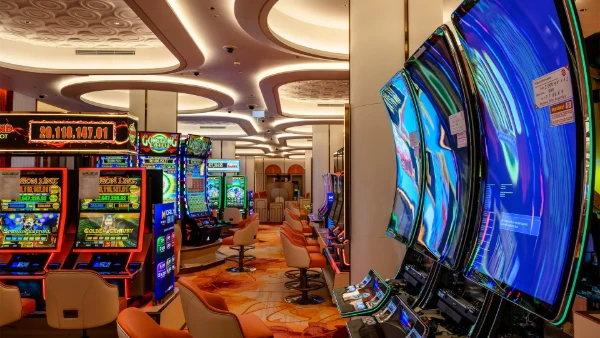
The casino is the feature that most clearly distinguishes City of Dreams Sri Lanka from Colombo’s existing luxury hotels. Operated by Melco Resorts & Entertainment, which also manages casino resorts in Macau, Manila and Cyprus, it brings a large international gaming operation into the city centre. Melco’s investor information recorded 118 gaming tables and 250 gaming machines at the end of the third quarter of 2025. The gaming selection includes established casino favourites such as baccarat, blackjack and roulette, alongside slot machines and regional card games. Dedicated premium gaming areas cater to customers seeking additional privacy and personalised service.
Melco operates the casino through a local subsidiary that received a 20-year licence from the Sri Lankan government in 2024. The company’s involvement gives the project an experienced international operator, although the casino remains subject to Sri Lankan law and applicable licensing conditions. Regulation has also become an important national issue. Parliament enacted the Gambling Regulatory Authority Act, No. 17 of 2025, establishing a new statutory framework intended to strengthen oversight of gambling activities. Its provisions are subject to the commencement arrangements specified in the legislation, making effective implementation an important consideration for the industry.
For Colombo, the casino introduces an additional reason for international visitors to consider the city as a leisure destination. Travellers interested in gaming previously had more established integrated resort options in places such as Macau and Manila. Sri Lanka can now offer a combination of casino entertainment, beaches, cultural attractions and wildlife tourism within the same holiday. However, this does not mean gambling will become the main reason people visit the country. City of Dreams is more likely to broaden Colombo’s appeal among selected visitor groups, particularly travellers from nearby markets such as India, where demand for premium regional holidays is significant.
Business Events and Tourism Beyond Casino Gaming
Conference and event facilities are among the development’s most commercially significant features. Cinnamon Life includes ballrooms, meeting rooms and exhibition facilities designed to accommodate events with up to approximately 5,000 participants. This capacity allows Colombo to compete for international conferences, corporate gatherings, exhibitions and destination weddings that require extensive accommodation and event services in one location. Large functions also generate demand beyond the venue itself, including airport transfers, catering, event production and local transport. John Keells reported in 2026 that the property’s conference facilities were attracting international events specifically because of their size and capabilities.
The wider tourism picture provides useful context. According to the Sri Lanka Tourism Development Authority, the country recorded 2,362,521 international tourist arrivals in 2025, compared with 2,053,465 in 2024. During January to September 2026, arrivals reached 1,693,679. These figures demonstrate the size of Sri Lanka’s recovering visitor market, although they cannot establish how many additional tourists came specifically because of City of Dreams. The resort opened during an existing tourism recovery, and arrivals also depend on flight availability, economic conditions, visitor confidence and developments in major source markets.
The potential benefit for Colombo lies partly in encouraging travellers to spend more time in the capital. Sri Lanka’s traditional tourism routes often take visitors towards the southern beaches, central highlands or cultural sites outside the city. A resort combining entertainment, restaurants, shopping and events could make an additional night in Colombo more attractive. Guests may also visit Galle Face, the Fort district, Pettah Market and independent local restaurants. Whether this produces a measurable increase in visitor spending outside the resort will depend on travel patterns, local business connections and the ability of nearby attractions to benefit from additional demand.
The Economic and Cultural Impact of City of Dreams Sri Lanka
At more than US$1.2 billion, City of Dreams Sri Lanka represents a substantial commitment of private capital to Colombo’s hospitality and commercial sectors. The project involved construction contractors, engineers, designers, suppliers and hospitality specialists over many years. Its operating activities also require hotel employees, chefs, event organisers, maintenance teams, security personnel and casino staff. Melco initially estimated its investment in the casino component at approximately US$125 million, separate from the cost of the wider development. These commitments create commercial opportunities, although the project’s precise contribution to national employment and tax revenue should be assessed using independently verified figures.
The first operational results offer a more grounded indication of progress than the expectations published before opening. In early 2026, John Keells reported that City of Dreams had achieved its first positive quarterly earnings measure, partly reflecting changes in investment property values. For the April to June 2026 quarter, the group subsequently reported improving hotel occupancy, stronger average room rates and steadily improving casino activity. These developments suggest that customer demand was building during the resort’s first year. Nevertheless, stronger trading at one property should not automatically be interpreted as evidence of equivalent growth throughout Colombo’s hospitality industry.
City of Dreams also incorporates Sri Lankan creativity into a development built for international visitors. According to the companies’ opening announcement, more than 500 local artisans, hospitality professionals and creative contributors worked with international specialists during the final year of preparation. Their involvement extended to decorative interiors, crafted elements and artwork. This offers an alternative to importing every aspect of a luxury hotel’s visual identity. The broader value of such collaboration will depend on whether local artists, designers and businesses continue to receive meaningful opportunities as the resort develops its exhibitions, retail activities and entertainment programme.
Opportunities, Responsible Gambling and Colombo’s Future in 2026
The resort’s long-term economic influence will depend on how successfully it attracts visitors without merely redirecting spending from existing Colombo businesses. Its accommodation and conference capacity may help Sri Lanka compete for international events that previously required venues elsewhere in the region. At the same time, luxury developments can create pressure on nearby commercial property markets and intensify competition for skilled hospitality employees. Smaller hotels, restaurants and entertainment businesses may benefit from increased tourism, but they must also compete with the convenience of a large complex containing numerous services under one roof.
Responsible gambling is another essential consideration. Although casino tourism can generate revenue and attract visitors, gambling also carries financial and social risks for individuals and families. A licensed operator must comply with applicable requirements, while effective protection depends on meaningful identity checks, responsible advertising, staff training and safeguards for people experiencing gambling-related harm. The 2025 gambling legislation provides an important direction for regulatory reform, but practical enforcement is what determines its effectiveness. For visitors, the casino should remain an optional entertainment activity rather than something presented as a reliable source of income.
By October 2026, City of Dreams Sri Lanka had moved beyond its opening celebrations and completed more than a year as a fully integrated resort. Its influence is already visible in Colombo’s skyline, luxury hotel capacity and ability to host large international gatherings. The more important questions concern what happens over the coming years: whether the resort attracts additional visitors, supports Sri Lankan suppliers, creates lasting employment and encourages spending throughout the city. Its greatest contribution may ultimately come not from the casino alone, but from helping establish Colombo as a destination where business, culture, hospitality and entertainment can support one another.