
Casino Cosmopol Stockholm: How Sweden’s State-Owned Casino Became Part of the Regulated European Gambling Model
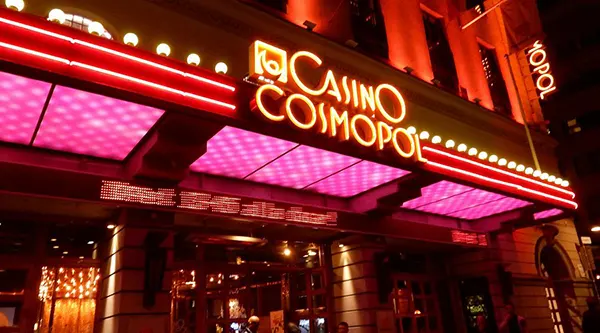
Casino Cosmopol Stockholm occupied a unique position in the history of Swedish gambling. For many years, it was the country’s largest land-based casino operating under direct state ownership through Svenska Spel. Unlike private casino businesses found across many jurisdictions, Casino Cosmopol represented a model in which gambling activities were tightly controlled by public authorities. Its development reflected Sweden’s broader approach to consumer protection, responsible gambling, and regulatory oversight. By 2026, although Casino Cosmopol Stockholm has ceased casino operations, its legacy remains important for understanding how European gambling markets evolved from state monopolies toward modern regulated systems.
The Origins of Casino Cosmopol and Sweden’s State-Controlled Gambling System
Casino Cosmopol was established following legislation adopted by the Swedish Parliament in the late 1990s. The government authorised a limited number of international-style casinos under strict state supervision. The goal was not simply to generate tax revenue but also to channel gambling demand into a controlled environment where consumer protection measures could be enforced.
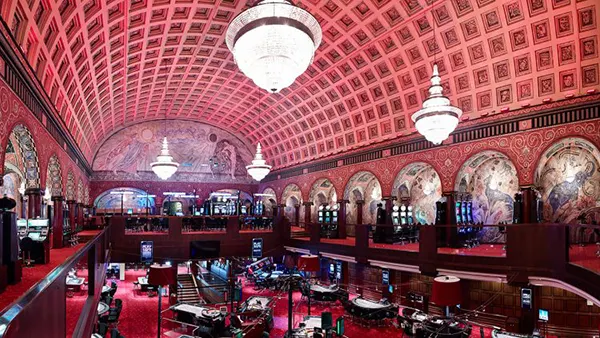
The Stockholm venue opened in 2003 in a historic building located near the city centre. Operated by Svenska Spel, it became one of four Casino Cosmopol properties in Sweden. The casino offered table games, poker, roulette, blackjack, and slot machines while maintaining extensive security procedures and responsible gambling policies.
Unlike many commercial casino destinations in Europe, Casino Cosmopol was never designed as a large-scale entertainment resort. Swedish authorities viewed casino gambling as an activity that required careful regulation rather than aggressive promotion. This philosophy influenced everything from advertising restrictions to player identification requirements and responsible gambling initiatives.
Why Sweden Chose a State-Owned Casino Model
Sweden’s gambling policy historically focused on limiting potential social harms associated with betting and gaming activities. State ownership allowed authorities to control operational standards directly while monitoring gambling behaviour more effectively than would have been possible in a fully liberalised market.
The model also aimed to reduce the influence of unregulated operators. By providing a legal and supervised alternative, policymakers hoped to discourage participation in illegal gambling environments. Similar approaches were adopted in various forms by several European countries during the early 2000s.
Another important objective involved transparency. State ownership created clear accountability structures regarding financial reporting, player protection, anti-money laundering procedures, and regulatory compliance. These factors helped establish public trust in the legal gambling sector.
The Transition Toward a Regulated European Gambling Framework
During the 2010s, European gambling markets experienced significant transformation. Online gaming expanded rapidly, cross-border operators entered new jurisdictions, and technological developments changed player behaviour. Traditional state-monopoly systems faced increasing pressure from both consumers and European regulatory trends.
In response, Sweden introduced a major gambling reform that took effect in January 2019. The new licensing framework opened the market to private operators while maintaining strict regulatory oversight through the Swedish Gambling Authority, known as Spelinspektionen. This reform aligned Sweden more closely with regulatory models already used in countries such as Denmark and the United Kingdom.
Although Casino Cosmopol remained state-owned after the reform, it became part of a much broader ecosystem that included licensed private companies. The focus shifted from monopoly control toward comprehensive regulation, licensing requirements, responsible gambling standards, and consumer protection mechanisms.
How Casino Cosmopol Adapted to Regulatory Changes
The casino continued operating under increasingly detailed compliance requirements. Identity verification, anti-money laundering controls, and responsible gambling measures became even more important as Sweden strengthened its regulatory framework.
Casino Cosmopol also participated in the national self-exclusion system known as Spelpaus. This programme allows individuals to exclude themselves from all licensed gambling activities in Sweden through a centralised system. The initiative became one of the most recognised responsible gambling tools in Europe.
At the same time, competition from online gambling significantly affected visitor numbers. Digital casino products offered convenience that traditional land-based venues could not easily match. This trend was visible throughout Europe and influenced the future viability of physical casinos.
The Closure of Casino Cosmopol Stockholm and Its Lasting Legacy
By the mid-2020s, Sweden’s land-based casino sector faced substantial challenges. Consumer preferences increasingly favoured online gambling options, while operational costs continued to rise. Visitor numbers remained below historical levels despite broader economic recovery across Europe.
In 2024, the Swedish Parliament approved measures that ultimately led to the closure of Casino Cosmopol’s remaining operations. Stockholm, which had become the final active Casino Cosmopol location after the closure of other venues, ceased casino activities as Sweden reassessed the role of state-owned land-based gambling.
The closure marked the end of a significant chapter in Swedish gambling history. However, it did not represent a retreat from regulation. Instead, it reflected changing market conditions and the growing importance of digital gambling oversight within modern regulatory frameworks.
What Casino Cosmopol Represents in the European Gambling Landscape
Casino Cosmopol Stockholm serves as a useful case study of how European gambling regulation has evolved over the past two decades. The venue demonstrated how governments could balance commercial gambling activities with public policy objectives related to consumer protection and responsible gaming.
Its history also illustrates the transition from monopoly-based systems toward licensing models that accommodate both public and private operators under a common regulatory framework. This approach has become increasingly common across Europe as authorities seek to address the realities of online gambling markets.
Although Casino Cosmopol Stockholm no longer operates as a casino in 2026, its influence remains visible in Sweden’s regulatory structure. The lessons learned from its operation continue to inform discussions about responsible gambling, state involvement in gaming activities, and the future direction of European gambling policy.